

Celebrating Resilience and Inspiration: The Life of Helen Keller


The New York Times originally featured the article on June 2, 1968, and it is now being republished as part of a special initiative for Women’s History Month. This reissue was dated March 3, 2026.
A Symbol of the Indomitable Human Spirit
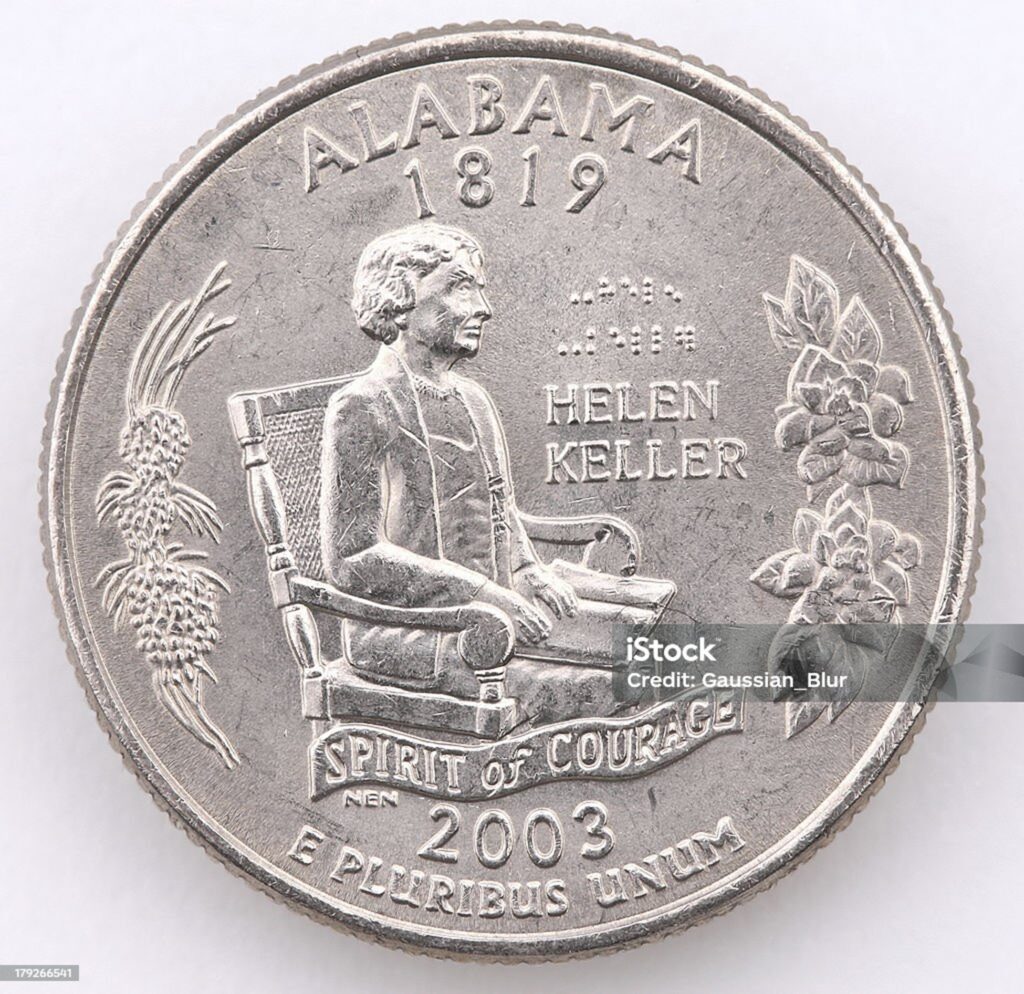
Helen Keller’s remarkable journey from adversity to achievement is a powerful testament to perseverance and determination.
From Silence and Darkness to Worldwide Recognition
Early Life and Challenges
– Helen Keller was a happy, normal infant who cooed, cried, and recognized her parents’ voices.
– At 18 months old, she contracted an illness—possibly scarlet fever—that left her blind and deaf.
– This illness also robbed her of her ability to speak and articulate words.
Overcoming Obstacles
– Despite severe disabilities, Helen gradually learned to communicate, read, and write.
– She graduated from Radcliffe College, earning honors and becoming a skilled writer.
Her life was filled with extraordinary achievements, including:
– Riding horseback
– Learning Greek
– Leading a vigorous, active life
A Legend of Courage and Determination
A Life Filled with Achievements
– Helen Keller’s life was marked by numerous “impossible” feats, driven by unbreakable willpower.
– She became a crusading humanitarian advocating for the blind and deaf.
– Her serene yet determined demeanor made her a symbol of hope and resilience worldwide.
Challenging Stereotypes
– Many doubted that someone with her disabilities could attain such profound knowledge and sensitivity.
– Over time, her accomplishments silenced skepticism, elevating her status as a heroic figure.
Educational Triumphs and Global Impact
Formal Education
– Began schooling at age 14 at Wright-Humason School for the Deaf and then at the Cambridge School for Young Ladies.
– With the help of her teacher, Miss Sullivan, she prepared for Radcliffe College.
– Graduated cum laude in 1904, with honors in German and English—an extraordinary achievement for someone with her disabilities.
World Travels and Advocacy
– Helen Keller traveled worldwide with Miss Sullivan and Miss Thomson before World War II.
– She lectured extensively, advocating for the blind and deaf.
– She met influential leaders and became a global ambassador for her causes.
Literary Contributions
Authored several influential books:
- My Religion (1927)
- Midstream — My Later Life (1930)
- Peace at Eventide (1932)
- Helen Keller’s Journal (1938)
- Teacher (1955)
- Her Journal reveals her sharp intellect and vast range of thought.
Recognitions and Honors
– Helen Keller’s work earned her honorary degrees from prestigious universities worldwide, including Harvard, Glasgow, Berlin, and Delhi.
– She was received at the White House by every U.S. president from Grover Cleveland to John F. Kennedy.
– Her legacy continues to inspire millions as a beacon of courage, resilience, and service.
Helen Keller’s story serves as a reminder that determination, support, and perseverance can break barriers and transform lives.