

Deaf Culture Deserves Its Own Space: The Fight for a Permanent Cultural Centre


In the United Kingdom, around 18 million people experience hearing difficulties. However, there is still no dedicated national cultural centre for the Deaf community. Amanprit Arnold, an urban planner and activist who was born deaf, wants to change this situation through her campaign, DeafCity Hub.
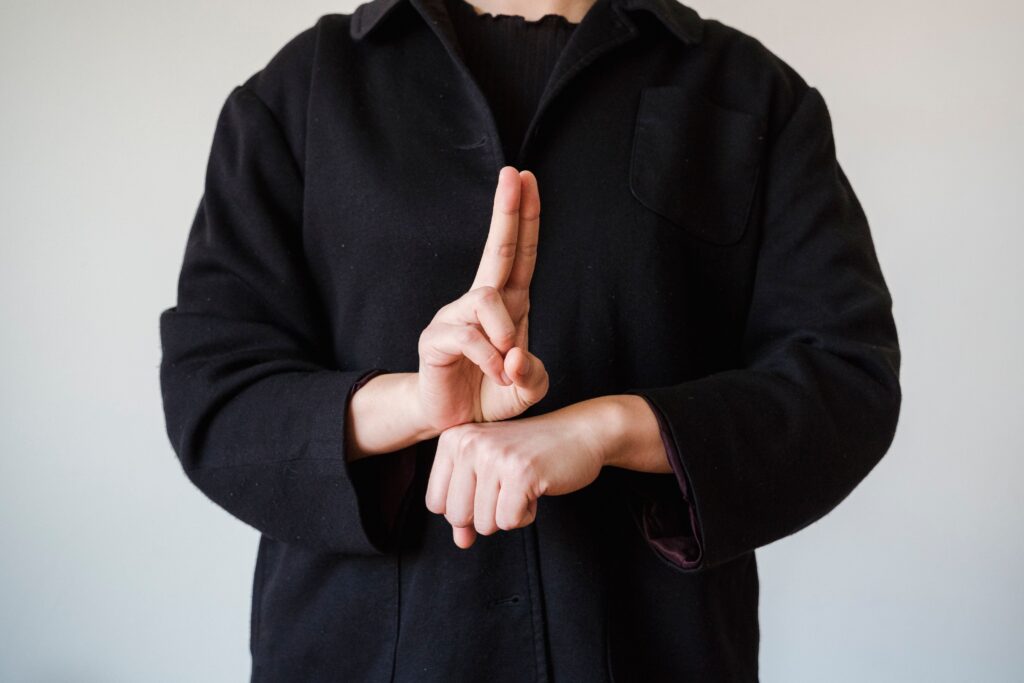
Picture for illustration
Arnold believes that Deaf people need a place where they can meet, share their experiences and celebrate their culture. Although Deaf people are becoming more visible in films, television and the media, they still face difficulties accessing public spaces and cultural activities. For example, cafés can have poor acoustics, while theatres and cinemas rarely offer performances with sign language interpreters at convenient times.
Her project aims to create a welcoming cultural and working space designed specifically for Deaf people. To make this possible, she wants to use DeafSpace principles, which focus on the visual and communication needs of the community.
These principles include wide corridors and staircases, allowing people to walk together while communicating in British Sign Language (BSL). They also encourage the use of natural light, soft colours, glass and mirrors to improve visibility. In meeting rooms, circular seating arrangements allow everyone to see each other’s faces and hands when signing.
The project also aims to support Deaf organisations and charities by providing suitable spaces for meetings and cultural activities.
Arnold’s campaign is particularly important because Deaf culture is more than a medical condition or a hearing difference. Sign language is a rich visual language that uses facial expressions, movement and space. Arnold believes that this cultural identity deserves recognition and protection.
She also highlights the importance of positive experiences for Deaf children. She attended a school for Deaf students and describes this experience as an opportunity to discover Deaf culture and feel part of a community. However, the number of schools for Deaf children in the UK has fallen from 75 in the early 1980s to just 22 today.
DeafCity Hub has secured a temporary space in London for one year, allowing Arnold to demonstrate the project’s potential. However, creating a permanent centre will require financial support and a development partner.
Ultimately, this initiative is about more than building a centre. It is about creating a place where Deaf people can feel included, connected and proud of their cultural identity. Everyone deserves spaces where they can communicate freely and feel that they belong.
Source: Alice Fisher, The Guardian, 21 September 2026
Fisher, A. (2026, September 30). ‘Our culture is rich and we need our own space’: the fight to build a permanent centre for Deaf people. The Guardian. https://www.theguardian.com/artanddesign/2026/sep/21/deaf-city-hub-cultural-centre